Discover the charm of a classic tale where a tiny house hides within vast forests‚ inviting readers into a world of imagination and adventure. This introduction sets the stage‚ hinting at the journey ahead and the timeless lessons waiting inside. Readers will find wonder and wisdom in every page. Enjoy!2
Background of the Book
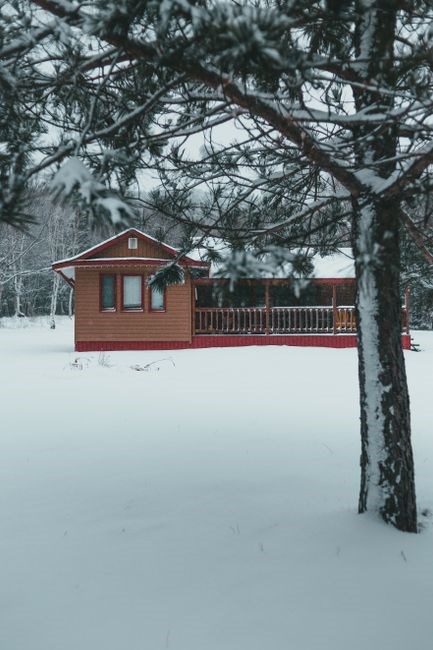
Its author‚ a pioneer in storytelling for young readers‚ drew upon personal experiences and a deep affection for nature to craft a narrative that resonates across generations. The book chronicles the adventures of a young protagonist who‚ after a brief sojourn in the city‚ finds refuge in a modest dwelling nestled within an expansive forest. Through his encounters with wildlife‚ the rhythms of rural life‚ and the challenges of self‑reliance‚ readers are invited to explore themes of resilience‚ curiosity‚ and the profound connection between humans and the natural world. The setting—a sprawling woodland that serves as both sanctuary and laboratory—provides a vivid backdrop that encourages imaginative exploration and reflection. The author’s lyrical prose‚ coupled with detailed descriptions of flora‚ fauna‚ and seasonal changes‚ creates an immersive atmosphere that has captivated readers for nearly a century. Moreover‚ the book’s structure‚ which interweaves narrative episodes with reflective commentary‚ offers a unique blend of adventure and introspection. This blend has made it a staple in educational curricula‚ where it is used to foster literary appreciation‚ environmental awareness‚ and critical thinking. Over the decades‚ the story has inspired adaptations across media‚ from radio dramas to animated features‚ further cementing its place in cultural history. Its enduring appeal lies in its ability to speak to the innate human desire for exploration‚ belonging‚ and the pursuit of knowledge within the tapestry of the natural world.
Relevance of the PDF Format
The PDF format preserves the original layout‚ typography‚ and illustrations of the classic text‚ ensuring that readers experience the story exactly as the author intended. Its universal compatibility across devices—from desktop computers to tablets—allows seamless access for students‚ educators‚ and casual readers alike. PDFs support high‑resolution images‚ enabling the detailed forest scenes and character sketches to remain crisp and vibrant‚ which is essential for visual learners. Additionally‚ the format’s built‑in search function lets users quickly locate specific passages‚ making it an invaluable tool for research and study. Accessibility features such as selectable text‚ adjustable font sizes‚ and screen‑reader compatibility further broaden the book’s reach‚ accommodating diverse learning needs. The PDF’s security options‚ including password protection and digital signatures‚ provide publishers with control over distribution while safeguarding the integrity of the content. For educators‚ the format facilitates annotation‚ highlighting‚ and collaborative discussion‚ streamlining lesson planning and classroom engagement. Finally‚ the lightweight nature of PDFs ensures fast download times and efficient storage‚ making it practical for both offline reading and online sharing. In sum‚ the PDF format enhances the timeless narrative by combining fidelity‚ functionality‚ and inclusivity‚ thereby extending its educational and cultural impact across generations. Moreover‚ the PDF’s support for annotation tools allows educators to embed interactive quizzes and discussion prompts directly within the text‚ fostering active engagement. Additionally‚ the PDF’s support for embedded multimedia can enrich learning‚ especially for visual learners. Efficient compression keeps file sizes small yet preserves image quality!!!
Finding the PDF
Locate the PDF through official libraries‚ reputable e‑book sites‚ or public domain archives. Search with the title and author to ensure authenticity. Verify file integrity before downloading‚ and keep a backup for future reference. Safe‚ quick‚ and reliable access is key. Download and enjoy the adventure.!!!
Legal Sources
When searching for a legal copy of “Little House in the Big Woods‚” start with the publisher’s official site or a licensed e‑book store. These platforms provide secure downloads and ensure the file respects copyright. Public libraries also offer free digital lending; a library card lets you borrow a DRM‑protected PDF. Academic institutions often grant access through library databases‚ guaranteeing authenticity. If you prefer a free version‚ check Project Gutenberg or Internet Archive‚ but confirm the work is in the public domain before downloading. Always verify the source URL and look for publisher watermarks or DRM labels or avoid pirated copies.
For those who prefer a physical copy‚ many libraries offer a loan of the printed edition‚ and some bookstores sell used copies at a lower price. If you are a student‚ check your school’s digital repository; many universities host e‑books for free access. When downloading‚ always keep the original file in a secure folder and back it up on an external drive or cloud storage. This practice protects against data loss and ensures you can revisit the story whenever you wish. Finally‚ if you encounter any issues with the PDF‚ consult the publisher’s customer support or the library’s reference desk for assistance. They can help resolve format problems or provide a new copy if necessary.
Remember to respect the author’s rights and share the PDF only with authorized parties. By following these guidelines‚ you can enjoy the story safely and responsibly. Enjoy reading‚ responsibly now
Popular Platforms
For readers seeking a convenient way to access “Little House in the Big Woods‚” several reputable digital storefronts and libraries offer the title in PDF format. Major e‑book retailers such as Amazon Kindle‚ Apple Books‚ Google Play Books‚ and Barnes & Noble provide the book as a downloadable PDF or e‑book file that can be opened in any PDF viewer. These platforms typically require a purchase or subscription‚ but they also offer a secure download link that respects the author’s copyright.
Another popular option is the online library service OverDrive‚ which partners with public libraries worldwide. By using a library card‚ you can borrow the PDF version for a set period‚ ensuring you have legal access without a purchase; Many university libraries also host the PDF in their digital collections‚ giving students and faculty free access through institutional credentials.
For those who prefer a free‚ open‑access version‚ the Internet Archive and Project Gutenberg host public‑domain titles‚ though “Little House in the Big Woods” is still under copyright. However‚ they occasionally provide a preview or a short excerpt that can be read online. Always verify the copyright status before downloading any file from these sites. If you encounter a free copy‚ double‑check the source’s legitimacy and ensure it does not infringe on the author’s rights. These platforms also allow you to annotate‚ highlight‚ and bookmark passages‚ making it easier to study or discuss the text with classmates. These services also let you highlight and bookmark passages for review!

Reading Experience
Enjoy a smooth PDF journey with zoom‚ search‚ and bookmark features that let you explore the forest tale at your own pace. The clear layout preserves illustrations‚ while adjustable text size and night mode enhance comfort for long reading sessions. Enjoy reading! Enjoy! Stay!!
Navigation Features in PDFs
PDF readers offer a robust set of navigation tools that turn a simple story into an engaging journey. The table of contents appears as a clickable list of chapter titles‚ allowing instant jumps to any part of the book without manual scrolling.
Bookmarks provide a hierarchical view of chapters and scenes. Users can add custom bookmarks on the fly‚ creating a personalized map that persists across devices and sessions.
Search functionality lets readers locate specific words or phrases quickly. Each match is highlighted‚ and the reader can navigate directly to the next or previous occurrence.
Zoom controls let you adjust the view to your comfort level‚ preserving image quality through vector scaling. Options like “fit to width” or “fit to page” optimize readability on any screen.
Page thumbnails give a visual overview of the entire book‚ with hover previews and click-to-jump navigation. Link navigation turns references and footnotes into clickable elements‚ opening external resources.
The “Go To Page” feature allows quick jumps to a specific page number‚ bypassing the need to scroll or search‚ ensuring a smooth reading experience.
These navigation features combine to create a fluid reading experience that adapts to the reader’s pace and preferences. Whether you’re skimming for key passages‚ revisiting favorite scenes‚ or exploring every illustration‚ the PDF’s interactive tools make the journey effortless and engaging Feel free to explore and share your favorite moments with friends
Enjoyreading.
Accessibility Options
PDF readers support diverse needs with features that transform the Little House in the Big Woods into an inclusive experience. The first layer is text reflow‚ letting the text adapt to screen size‚ ensuring no word is cut off or hidden behind images. This is especially useful on mobile devices.It supports screen magnification and adjustable contrast now.
Next‚ screen reader support is built into most PDF viewers. Proper alt text tags and semantic markup make the story navigable for visually impaired users‚ allowing jumps between chapters and illustrations via keyboard shortcuts. This feature ensures easy navigation.
For those who prefer audio‚ the read aloud feature turns the text into a narrated experience. Platforms let you choose voices and speeds‚ making it accessible to children and adults alike.supports audio.
Color contrast settings let users tweak background and foreground colors to reduce eye strain. High-contrast mode can be toggled‚ keeping text legible for low vision or color blindness. Font size adjustment lets readers increase or decrease font while preserving layout. This feature supportsfor all users.
Finally‚ bookmarking and note-taking tools let users mark passages or add annotations. Notes can be exported or shared‚ enhancing collaborative study or family reading. By combining these features‚ the PDF becomes a versatile tool welcoming all to explore the heartwarming tale of a little house in the big woods. Enjoy reading all
Content Overview
Explore the narrative arc of the charming story‚ following the family’s daily life‚ seasonal changes‚ and the subtle lessons of resilience and community. The plot weaves simple scenes into a rich tapestry of rural adventure and heartfelt moments.The quiet forest whispers stories of hope.
Main Themes
Throughout the narrative‚ the story weaves a tapestry of enduring themes that resonate across generations. Central to the tale is the profound bond between family members‚ whose shared experiences in a modest dwelling amid a vast forest underscore the value of unity‚ trust‚ and mutual support; The simplicity of rural life is portrayed as a source of strength‚ reminding readers that contentment often lies in ordinary moments of daily routine‚ the quiet companionship of neighbors‚ and the gentle rhythm of nature’s cycles. The relationship between humans and the natural world is another key theme‚ illustrating how the forest’s bounty and challenges shape the characters’ growth and decision-making. Tradition and cultural heritage are emphasized‚ as the family preserves rituals and stories that connect them to ancestors and the land itself. Resilience emerges as a recurring motif‚ with characters confronting hardships—such as harsh weather‚ scarcity of resources‚ and the loss of loved ones—yet finding hope and perseverance through collective effort. The sense of place is vividly captured‚ as the forest’s seasons‚ wildlife‚ and landscapes serve as backdrop and catalyst for personal transformation. Ultimately‚ the narrative invites readers to contemplate the delicate balance between independence and interdependence‚ illustrating that true freedom is achieved not in isolation but through shared responsibility and communal care‚ where each individual’s choices reverberate within the larger tapestry of family‚ community‚ and the enduring forest. !!!
Key Characters
In the narrative‚ the protagonist is a young boy who‚ after a family tragedy‚ is sent to live with his grandmother in a secluded cottage. His curiosity and resilience drive the plot‚ as he learns to navigate the forest’s mysteries and forge friendships with woodland creatures. The grandmother‚ a wise and gentle matriarch‚ embodies the themes of tradition and intergenerational wisdom. She imparts practical skills—such as fire‑making‚ foraging‚ and storytelling that become vital for survival. A recurring animal companion‚ a loyal dog‚ serves as both protector and confidant‚ illustrating the bond between humans and animals. The boy’s younger sister‚ though absent from the main scenes‚ is referenced through letters and memories‚ reminding readers of the emotional stakes and the importance of family ties. Secondary characters include a traveling merchant who visits the village‚ offering rare goods and news of the outside world‚ and a mysterious old hunter who warns of dangers lurking in the woods. Each character’s interactions with the boy and the forest highlight different facets of growth‚ responsibility‚ and the delicate balance between human life and nature. The ensemble of characters creates a rich tapestry that supports the central narrative‚ allowing readers to explore complex emotions and moral lessons within a simple‚ rustic setting. The narrative invites readers to reflect on the enduring power of community‚ the resilience of human spirit‚ and the timeless lessons that a humble home can teach. Stay curious!!!
Educational Uses
Use this classic tale to teach literacy‚ critical thinking‚ and empathy. Discuss plot‚ character motives‚ and settings. Apply vocabulary lessons‚ reading comprehension strategies‚ and creative writing prompts. Engage students in group projects and reflective journaling. Enjoy. Now
In Classroom Settings
Educators can weave the narrative of a modest dwelling amid expansive woods into a multifaceted lesson plan that nurtures reading fluency‚ analytical thinking‚ and collaborative learning. Begin with a guided read‑through‚ highlighting descriptive language that paints the forest’s atmosphere. Then‚ prompt students to create a map of the setting‚ encouraging spatial reasoning and artistic expression. Use the protagonist’s encounters to introduce moral and ethical decision‑making frameworks; students can role‑play scenarios‚ debating choices and predicting outcomes. Integrate vocabulary drills by extracting key terms and having learners craft sentences that reflect the story’s tone. Cross‑disciplinary connections arise naturally: in science‚ discuss ecosystems represented by the woods; in social studies‚ explore themes of community and isolation. Assessment can be formative‚ with exit tickets summarizing lessons learned‚ or summative‚ through creative projects such as a digital storyboard or a reflective essay that ties personal experience to the book’s themes. By embedding this classic tale into everyday instruction‚ teachers foster a love for literature while building essential 21st‑century skills. Teachers can also integrate technology by creating interactive quizzes that test comprehension‚ or by assigning students to produce audio narrations‚ thereby enhancing listening skills and encouraging diverse learning styles. Students can write journal entries linking the story to their lives‚ encouraging reflective thinking and deep growth. Finally‚ by assigning students to create a digital collage that juxtaposes scenes from the book with contemporary environmental concerns‚ educators can spark discussions about stewardship and change now.
For Home Learning
At home‚ students can immerse themselves in the gentle world of a small house tucked deep within a forest‚ turning the reading into an interactive exploration. By setting a cozy reading nook with a soft blanket‚ a dim lamp‚ and a small rug‚ parents can create an environment that mimics the calm and mystery of the woods. This sensory setting encourages focus‚ imagination‚ and a sense of safety. During a guided reading session‚ the teacher can pose open‑ended questions such as‚ “What does the house symbolize in a forest setting?” or “How does the protagonist’s isolation affect her sense of belonging?” These prompts spark discussion about independence‚ comfort‚ and the importance of community. Students can then write reflective journal entries‚ drawing connections between the story’s themes and their own experiences. They might also create a visual collage of the forest‚ labeling key elements and noting how the setting influences the narrative. By integrating technology‚ learners can use digital storytelling tools to produce short videos or podcasts that recount the plot from a new perspective. Homework assignments can involve researching real‑life forest habitats‚ comparing them to the fictional setting‚ and presenting findings in a creative format. This approach not only deepens comprehension but also builds research‚ critical thinking‚ and creative expression skills. Parents and teachers can collaborate to set reading goals‚ track progress‚ and celebrate milestones‚ ensuring that the adventure of the little house in the big woods remains a shared‚ enriching experience for every child. Enjoy reading!and share.OK